
Interior Design, Real Estate in Nigeria
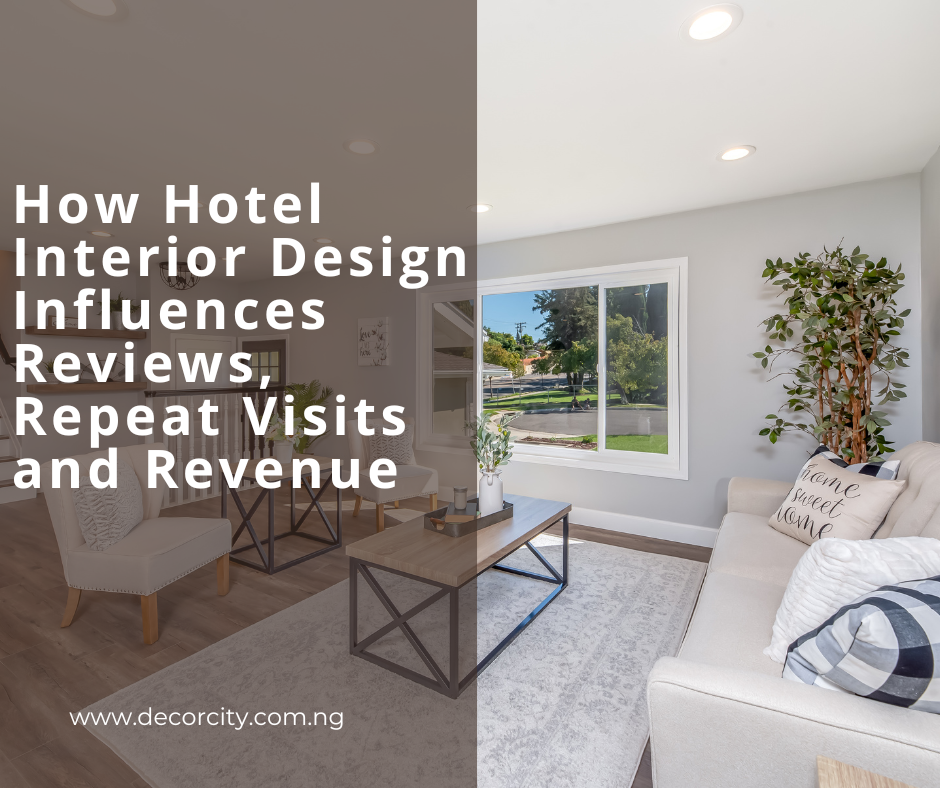
How Hotel Interior Design Influences Reviews, Repeat Visits and Revenue
Feb
Hotel interior design is often treated as an expense to be controlled. In reality, it can influence how guests evaluate the property, what they say online, whether they return and how much they are willing to pay.
This does not mean expensive decoration automatically produces higher revenue. The commercial value comes from creating an environment that improves comfort, service delivery, identity and the overall guest experience.
Design Shapes the First Impression
Guests begin evaluating a hotel before reaching their rooms.
They notice:
- The entrance, Security, Lighting, Signage, Reception, Cleanliness, Temperature, Furniture, Staff visibility
A strong arrival communicates professionalism and care. A tired or confusing entrance can reduce confidence before check-in is complete. This first impression often affects how guests interpret everything that follows.
Physical Comfort Influences Reviews
Online reviews frequently mention practical details:
- Bed comfort
- Noise
- Lighting
- Air-conditioning
- Water pressure
- Bathroom quality
- Storage
- Cleanliness
- Power supply
- Internet access
Many of these issues are connected to design, specification or maintenance planning. Research on Nigerian hotel guests found that ambience and interior-exterior design had significant positive effects on guest experience.
A visually attractive room may generate photographs, but a comfortable and functional room is more likely to generate a strong review.
Design Supports Better Service
Hotel performance depends on both front-of-house experience and back-of-house operations.
Poor layouts can create:
- Slow housekeeping
- Congested service routes
- Difficult maintenance access
- Delayed room service
- Inadequate storage
- Staff and guest circulation conflicts
When design improves staff movement and access, service becomes faster and more consistent. Guests may not see the operational planning, but they experience its results.
Reviews Influence Future Bookings
Potential guests often use online ratings and previous customer comments to reduce uncertainty before booking. Research into hotel reviews has shown that the issues discussed by guests can help identify the factors influencing ratings and customer decisions.
A dated room, poorly maintained bathroom or noisy restaurant does not affect only the current guest. Once documented online, it can influence many future customers. Interior improvements should therefore address recurring review complaints—not only management preferences.
Memorable Spaces Encourage Organic Marketing
Guests regularly share attractive hotel rooms, restaurants, pools, lobbies and event spaces. This user-generated content can extend the hotel’s reach without the property paying for every impression.
However, visual impact should be supported by genuine comfort and service. A highly photographed space that receives poor reviews will not create sustainable demand.
Design Can Support Different Revenue Streams
A well-planned hotel can earn from more than rooms.
Design can strengthen:
- Restaurants
- Lounges
- Meeting rooms
- Event spaces
- Coworking areas
- Poolside facilities
- Private dining
- Content-production locations
Flexible spaces allow the property to serve different users and occasions throughout the day.
Repeat Visits Depend on More Than Appearance
Research examining actual hotel re-patronage found that service becomes increasingly important for repeat guests, while location also affects return decisions.
Interior design therefore works best when it supports consistent service, comfort and ease.
Measuring the Return on Design
Hotel owners can assess design impact through:
- Review scores
- Recurring guest complaints
- Repeat-booking rates
- Average room rate
- Restaurant dwell time
- Event-space utilisation
- Maintenance costs
- Social-media mentions
- Guest photographs
- Occupancy after refurbishment
Good hotel design does not operate separately from revenue. It helps create the conditions in which stronger reviews, repeat visits and improved commercial performance become more likely.