
Real Estate in Nigeria
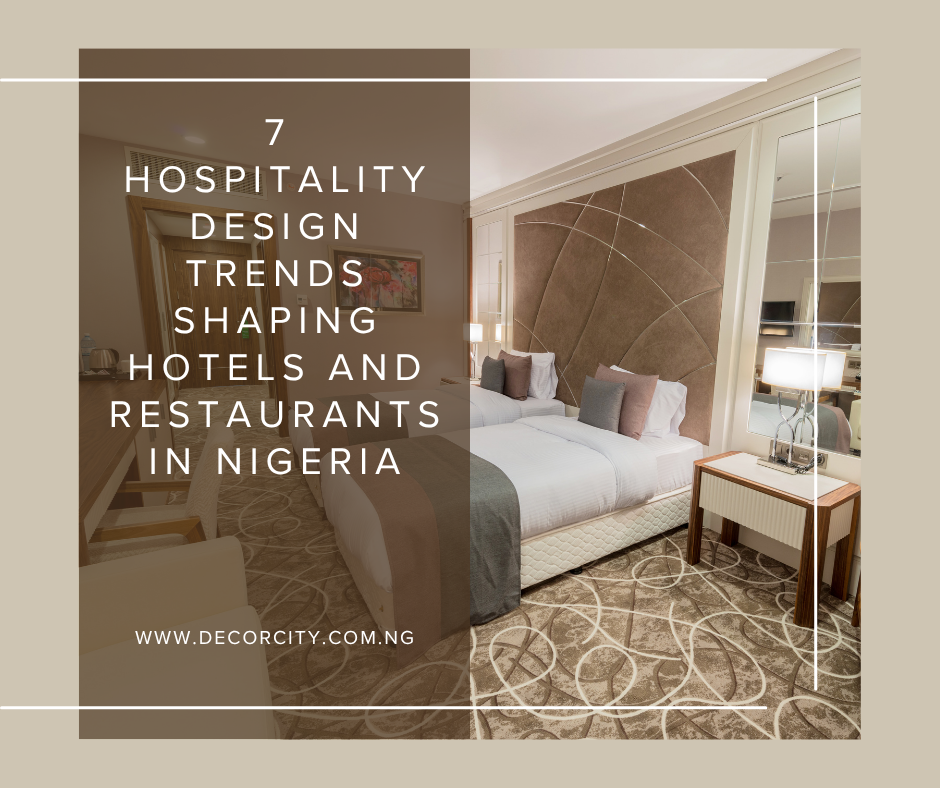
7 Hospitality Design Trends Shaping Hotels and Restaurants in Nigeria
Nov
Hospitality design in Nigeria is changing. Hotel and restaurant owners are no longer investing in interiors simply to make their properties look attractive. They are using design to improve guest experience, strengthen their brands, increase online visibility and support business performance.
Research involving several Nigerian hotel guests found that ambience, interior and exterior design, and the social environment all had significant positive effects on guest experience. This means the physical environment is not separate from service delivery. It forms part of the service itself.
Here are seven trends shaping Nigerian hospitality spaces.
- Experience-Led Design
Guests increasingly expect more than accommodation or a good meal. They want an experience.
Every stage matters:
- Arrival – Reception – Waiting time – Seating comfort – Lighting – Music – Restroom quality – Staff interaction
Successful hospitality design considers the complete guest journey rather than decorating isolated rooms.
- Distinctive Brand Storytelling
Many hotels and restaurants are beginning to look alike because they follow the same colours, furniture styles and social-media trends.
Strong brands are moving towards interiors that communicate a specific story. This may come through locally produced artwork, cultural references, materials, architectural details or a distinctive colour palette.
The goal is not to make a space unusual for its own sake. It is to make it recognisable.
- Social-Media-Friendly Spaces
Interior design has become part of restaurant marketing in Lagos and Abuja. Customers often discover new venues through photographs and videos shared online.
Restaurant operators are treating design as a marketing tool, with lighting, textured finishes, plants, statement artwork and other visual details deliberately considered.
However, the trend is moving beyond obvious “selfie walls.” Guests now respond better to spaces that feel naturally attractive throughout, rather than one decorative corner created only for photographs.
- Flexible and Multi-Use Environments
A hotel lounge may serve breakfast in the morning, informal meetings during the day and entertainment at night.
Restaurants may also host private dinners, celebrations, corporate events and content productions.
Movable furniture, adjustable lighting and flexible layouts allow one space to generate revenue in several ways.
- Local Identity with Contemporary Design
Hotels and restaurants are increasingly using Nigerian art, textures, craftsmanship and cultural references within modern interiors.
The strongest spaces avoid turning culture into a theme. Instead, they create subtle connections to place through materials, artwork and storytelling.
- Technology-Integrated Hospitality
QR menus, online reservations, digital payments and contactless service have become more common in Nigeria’s urban dining market.
Design must therefore account for:
- Charging points
- Reliable connectivity
- Digital displays
- Lighting controls
- Security systems
- Point-of-sale equipment
- Cable management
Technology works best when it supports the experience without dominating the environment.
- Durable and Maintainable Materials
A finish may look attractive when installed but perform poorly under constant use.
Hospitality spaces need materials selected for traffic, stains, moisture, cleaning, repairs and replacement. Owners are paying more attention to lifecycle cost—not only the initial purchase price.
What These Trends Mean for Owners
The strongest hospitality spaces balance five priorities:
Experience, identity, operations, durability and commercial value.
Before renovating, ask:
- What should guests remember?
- How will the space support operations?
- Which materials can withstand daily use?
- What makes the property recognisable?
- How can the design support revenue?
Good hospitality design should improve both guest experience and business performance