
Interior Design
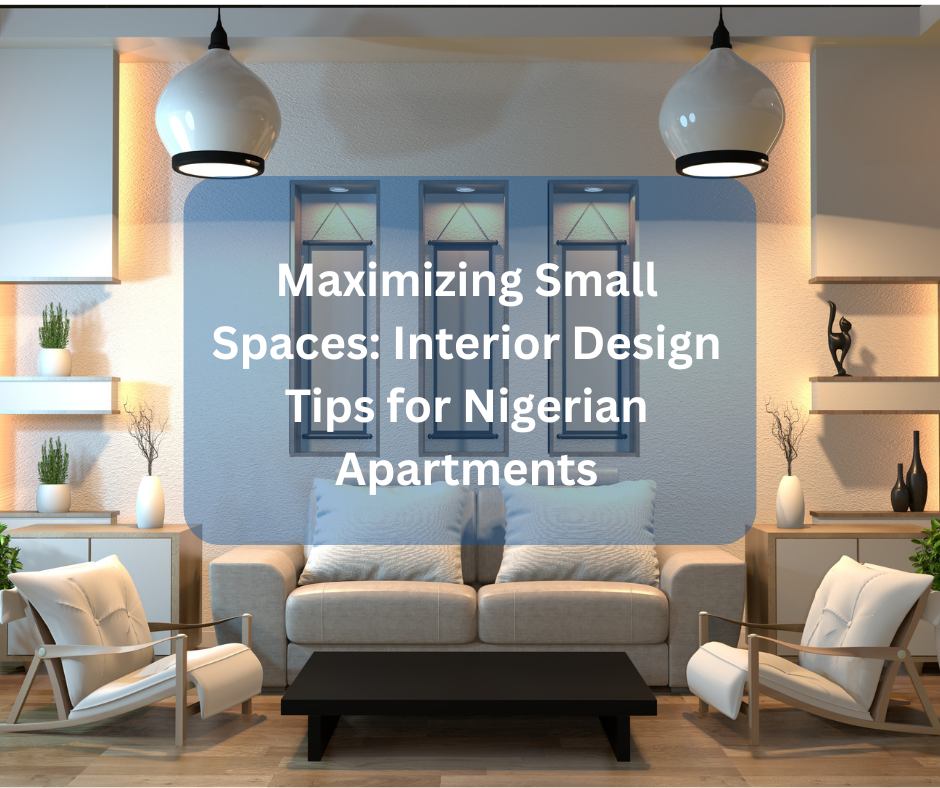
Maximizing Small Spaces: Interior Design Tips for Nigerian Apartments
11
Oct
Oct
In Nigeria’s urban areas, apartments often come with limited space, presenting a challenge for homeowners to create functional and visually appealing living areas. However, with thoughtful interior design strategies, it is possible to make the most of small spaces and create an environment that feels spacious and inviting. In this blog post, we will explore interior design tips specifically tailored for Nigerian apartments, helping residents optimize their living areas and enhance the overall aesthetics.
Efficient Furniture Selection:
Choosing the right furniture is crucial in maximizing space in Nigerian apartments. Opt for multi-functional pieces that serve multiple purposes, such as storage ottomans, sofa beds, or nesting tables. Consider modular furniture that can be rearranged or folded when not in use. Additionally, select furniture with exposed legs, as it creates a sense of openness and allows light to flow freely.
Clever Storage Solutions:
Effective storage solutions are essential for organizing belongings and keeping small apartments clutter-free. Utilize vertical space by installing floor-to-ceiling shelving or wall-mounted cabinets. Incorporate furniture with built-in storage, such as beds with drawers or coffee tables with hidden compartments. Use storage boxes, baskets, and organizers to keep smaller items neatly organized. By maximizing storage options, Nigerian apartment dwellers can create a more spacious and organized living environment.
Light and Neutral Colors:
Light and neutral colors can visually expand a small space and create an airy atmosphere. Opt for light-colored walls, flooring, and furniture upholstery. Use mirrors strategically to reflect light and create an illusion of depth. Consider incorporating pops of color through accessories or artwork to add visual interest without overwhelming the space. Light and neutral colors help create a sense of openness and brightness in Nigerian apartments.
Smart Lighting Solutions:
Proper lighting can significantly impact the perception of space in a small apartment. Maximize natural light by keeping windows unobstructed and using sheer curtains or blinds. Incorporate layered lighting with a combination of ambient, task, and accent lighting to create depth and visual interest. Use wall sconces or pendant lights to save surface space. Well-planned lighting enhances the ambiance of Nigerian apartments and creates a sense of spaciousness.
Visual Continuity:
Maintaining visual continuity throughout the apartment creates a seamless and cohesive design. Choose furniture, flooring, and accessories that have a consistent style and scale. Avoid visually dividing the space with different color schemes or materials. Instead, create a flow by using consistent design elements and repeating patterns or textures. Visual continuity helps create an uninterrupted and spacious feel in Nigerian apartments.
Conclusion:
With strategic interior design choices, Nigerian apartment dwellers can maximize the functionality and aesthetics of their living spaces. By selecting efficient furniture, incorporating clever storage solutions, using light and neutral colors, implementing smart lighting, and maintaining visual continuity, residents can create apartments that feel more spacious and inviting. While the available space may be limited, thoughtful design strategies can help transform Nigerian apartments into stylish and functional homes.