
Real Estate in Nigeria
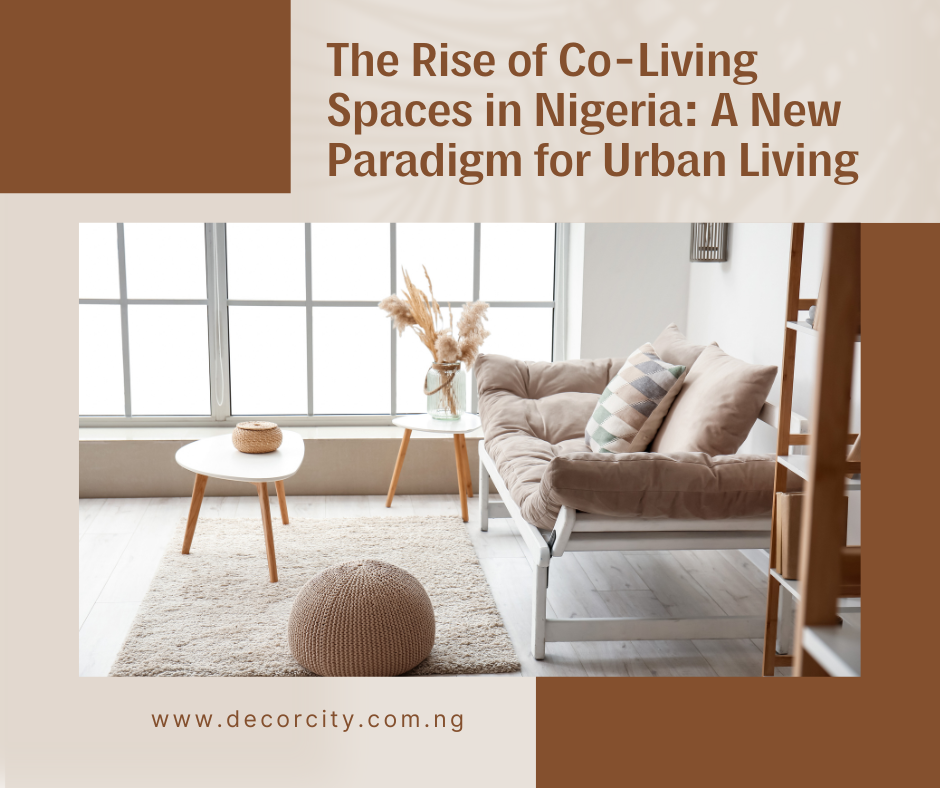
The Rise of Co-Living Spaces in Nigeria: A New Paradigm for Urban Living
13
Sep
Sep
Co-living spaces are revolutionizing the concept of urban living in Nigeria, providing a new paradigm for community-oriented, convenient, and affordable housing. As cities become more crowded and housing costs rise, co-living spaces offer a solution that meets the needs of young professionals, students, and individuals seeking a more flexible and social living experience. In this blog post, we will explore the rise of co-living spaces in Nigeria and their impact on the way people live and interact in urban environments.
Community-Oriented Living:
Co-living spaces prioritize community and social interaction, providing residents with opportunities to connect and collaborate with like-minded individuals. Shared common areas, such as kitchens, living rooms, and coworking spaces, foster a sense of belonging and encourage collaboration. Community events, workshops, and shared activities further strengthen the bonds among residents, creating a vibrant and supportive living environment.
Convenience and Flexibility:
Co-living spaces offer convenience and flexibility that traditional housing options may lack. Many co-living spaces come fully furnished, eliminating the need for residents to purchase and move furniture. Additionally, amenities such as high-speed internet, utilities, and cleaning services are often included in the rent, simplifying the logistics of living. The flexibility of short-term leases allows residents to adapt to changing circumstances and explore different neighborhoods without the long-term commitment of traditional leases.
Affordability:
Affordability is a key factor driving the popularity of co-living spaces in Nigeria. By sharing common areas and amenities, residents can access a higher standard of living at a more affordable price compared to renting a traditional apartment. Co-living spaces also eliminate the need for upfront costs associated with setting up a new home, such as purchasing furniture and appliances. The cost savings and shared expenses make co-living an attractive option for individuals looking for affordable housing in urban areas.
Enhanced Amenities and Services:
Co-living spaces often provide enhanced amenities and services that enrich the living experience. Fitness centers, rooftop terraces, laundry facilities, and communal kitchens are common features in co-living spaces. Some spaces may also offer additional services such as concierge assistance, on-site maintenance, and organized social events. These amenities and services enhance the convenience and quality of life for residents, making co-living spaces an alluring option for urban dwellers.
Professional Networking Opportunities:
Co-living spaces present unique opportunities for professional networking and collaboration. Living in a community of diverse individuals from various backgrounds and industries allows for organic networking and the exchange of ideas. Co-living spaces may also organize networking events, workshops, or skill-sharing sessions that facilitate professional growth and personal development.
Conclusion:
The rise of co-living spaces in Nigeria represents a new paradigm for urban living that prioritizes community, convenience, affordability, and flexibility. By offering a sense of community, enhanced amenities, and professional networking opportunities, co-living spaces cater to the evolving needs and preferences of urban dwellers. As the demand for alternative housing options continues to grow, co-living spaces provide a viable solution that transforms the way people live and interact in Nigerian cities.